How to Detect Methane Gas

Gas
Back in the 20th century, coal miners came up with a novice method of detecting the presence of methane gas in coal mines - which was causing a great deal of trouble for them, using canary birds. (Canary is a small passerine bird which derives its name from the fact that it is native to the Canary Islands where it is found in abundance.) When entering the coal mines, these miners began to take a canary bird along with them. When there was a slight spike in the amount of methane in the atmosphere, this bird - being highly sensitive to methane gas, used to choke and die. The death of this bird would act as a warning signal for these miners, and they would take the necessary precautions to save themselves from the possible threats that this gas posed.

While the problems with methane concentration in the atmosphere still exist, you need not resort to canaries to save your lives now. There exist quite a few simple methods and some amazing devices which can help you detect the presence of this gas in your surroundings. Before we get into the details on how to detect the presence of methane in the atmosphere, let's try to understand why it is important to do so.

Why is Methane Gas Harmful?

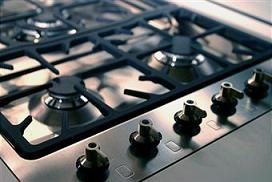
Methane is known to for its tendency to explode as a result of which the presence of this gas in closed environment puts you at a constant threat of the same. Methane is known to cause explosions in coal mines - wherein the gas which is trapped beneath the Earth's crust is released as a result of mining. Methane causes fire in landfills - wherein it is produced by anaerobic bacteria in a process known as methanogenesis. Coming to our homes, methane forms an important constituent of the natural gas which we use for cooking. At the same time, the chances of naturally occurring methane slipping into your well and methane leaking from the sewer lines (see sewer gas smell in house) also increases your likelihood of coming in contact with it.

While the presence of methane gas in coal mines or at landfills may not put you at a direct threat of this gas, methane gas exposure within the closed walls of your home does - especially because of its tendency to replace oxygen in the atmosphere. Our lungs are programmed to function normally when the atmospheric concentration of oxygen is 21 percent, but when the same comes down - as a result of the presence of methane in the surroundings, it can trigger asphyxiation i.e. the condition of being deprived of oxygen, which can even result in death.

How to Detect Methane Gas?

As methane is odorless and colorless in nature, detecting it can be a bit difficult - and that makes its presence in your surroundings all the more dangerous. Resorting to commercially available methane gas detectors is by far the best method of detecting the presence of this gas around you. Most of these detectors are portable, which means you can easily carry them around in your kitchen or near the sewer lines to detect the presence of methane. You can also resort to fixed gas detectors for detection of methane leaks. However, you need to make sure that you install the same at a considerable height - preferably close to the ceiling, as methane being lighter than air tends to ascend and escape from the atmosphere. As far as methane gas detectors cost in concerned, the lower end models will cost you somewhere around $50, while the higher end models will cost you somewhere around $200 with ease.

If you suspect methane concentration in your well, you can resort to the bottle test to confirm the same. You just need to fill a bottle with this well water till half way, and close it tightly with the cap. After sometime, you just have open the cap and hold a burning match stick to the mouth of this bottle. If your suspicion is right, you will see a rush of flame when you take the match stick close to the mouth of this bottle. As methane escapes from water with ease, a contaminated well does put you at the risk of methane gas exposure. As methane is odorless, a small amount of methanethiol is added to the cooking gas you use in order to help you detect leakage of the same. Methanethiol - though colorless, has a strong smell which resembles the smell of a rotten cabbage or rotten egg. If there is any leakage of cooking gas, the foul smell of methanethiol will make it easier for you to detect the same.

Other than resorting to the aforementioned measures of detecting methane gas leaks, being on a lookout for methane gas exposure symptoms can also be of some help. Some of the most obvious symptoms of such exposure include difficulty in breathing, suffocation, dehydration, nausea, vomiting, dizziness, confusion, blurred vision and increased heart rate. Taking a note of the age-old adage - 'prevention is better than cure, you can go ahead and take the precautionary measures to make sure that the methane levels in your surroundings never spike to an extent that they harm you.

Ground-Level Ozone Pollution

Ground-Level Ozone Pollution                                  
Ground-level ozone is a combination of high levels of volatile organic compounds (VOCs) and nitric oxides (NOx), created by a chemical reaction in the presence of sunlight. VOCs are found in products such as cosmetics, paints, fuels, and the like, some of which can be dangerously toxic. These compounds are also continuously being released by trees in small amounts. On the other hand, NOx are gases released from vehicles of all kinds, and other materials that utilize fuel for their functioning, such as lawn mowers, manufacturing units, etc. The creation of ozone from a reaction of these gaseous compounds is called ground-level or 'bad' ozone. The good ozone (or the ozone layer) is what is found above the earth's surface, that protects us from UV radiation. This bad ozone is what is found in the troposphere, that is closer to the earth's surface, and is known to be harmful for human beings and other life forms on the earth, if inhaled in excessive amounts. Here, we will discuss the implications of ground-level ozone pollution, and what we can do to contain these rising levels.

Consequences of Ground-Level Ozone Pollution

Ground-level ozone pollution is most common in urban areas due to the kind of lifestyle that is led by their residents. Heavy dependence on various modes of transport, along with the use of high-end products that contain huge concentrations of VOCs, contributes to this condition. Studies have shown that ground-level ozone pollution can have long-term and dangerous health effects on human beings and other life forms. These effects have been enlisted below.

➝ Continuous exposure to ground-level ozone can slowly begin to irritate your respiratory system, and cause conditions such as tightness of the chest and cough. The respiratory system then becomes weaker and more prone to other respiratory diseases.

➝ Those who already suffer from respiratory conditions such as asthma, may find that these worsen over time due to over exposure to pollutants such as ground-level ozone. This is because ground-level ozone also consists of other allergens, dust particles and pollen, all of which are known to aggravate asthma, and can even induce allergies. 

➝ The lung functioning is weakened over time, causing inflammation of the lungs. When exposure to this pollutant continues, it can worsen the lung condition, lead to the development of chronic lung diseases, and even lead to permanent damage of the lungs. 

➝ Such effects occur only in the long term, not immediately. For instance, even conditions such as asthma may flare up days after continued exposure to ground-level ozone. 

While these were the human health effects of ground-level pollution, there are also environmental effects of this kind of pollution. We're all aware of the depletion of the ozone layer and global warming. Ground-level ozone pollution only contributes to this further, enhancing the pattern and speed of climate change, and will contribute to some very harmful global conditions such as rapid decline of trees and plants (because of their inability to absorb the large amounts of carbon dioxide in the environment), if not checked immediately.

How We Can Reduce the Effects of Ground-Level Ozone Pollution

Experts all over the world suggest that unless measures are taken at a global level, no major changes in the condition of the environment or pollution levels will be visible. We, however, may contribute in a small way in reducing ground-level ozone pollution and its long-term effects. Though it may not make a large-scale change, it can definitely mark the beginning of a new lifestyle and thought process. So here are a few ways in which you can contribute to the reduction of ground-level ozone pollution. 

➝ Start by first protecting yourself, by avoiding stepping out on days when air pollution levels are high. These levels can be determined by the excessive heat outside, as well as by checking the levels established on local health department websites. Only if you are safe, will you be able to contribute to the necessary change. 

➝ Become proactive and promote the use of public transport rather than personal vehicles. Implement carpools, so that lesser number of vehicles are used. Suggest other methods of transport such as walking and cycling. Adopting these measures even once a week will make a huge difference to the pollution levels in the long term. 

➝ Try and conserve as much energy as you can. For instance, at home, don't use lights unless really needed, and try drying your clothes in natural sunlight instead of the dryer. Do the dishes instead of using the dishwasher. Use an electric lawn mower or use manual methods of mowing your lawn (this also contributes to a great deal of exercise which is healthy for you).

➝ Begin a tree plantation drive in your locality. Even if not trees, contribute by growing more plants in your area, so that they may help in some way to reduce local pollution levels. 

Finally, spread awareness and lead by example, so that people around you also adopt these measures. Ground-level ozone pollution is only likely to increase unless preventive measures such as the ones mentioned above are adopted. Be proactive and be the difference you wish to see.A form of air pollution, ground-level ozone pollution can only have devastating effects on human life forms and the environment, if not checked. What are these effects and what can we do to reverse them? Find out here.

Impact of Car Pollution on the Environment

Impact of Car Pollution on the Environment


There are millions of cars on our roads and each one of them is a potential contributor to environmental pollution. Cars emit poisonous gases which impact the environment apart from causing numerous life-threatening diseases in human beings. Let us know more about the impact of car pollution on the environment.

We all know the effects of pollution on the environment. We have watched various documentaries, have read several books and have been to several debates on the issue of environmental degradation. However, most of us are equally responsible for this, and in fact, we contribute daily to environmental pollution. How? Well, studies have shown that automobiles are the biggest source of pollution in cities, and have contributed immensely to air and noise pollution. The pollutants that are emitted from the exhaust of a car contain various toxic substances and cause various life-threatening diseases in humans. These pollutants are harmful for birds and plants, and disturb their natural process. Let us know more about the impact of car pollution on the environment.

Car Pollution Effects
  • The exhaust from the cars contains various greenhouse gases such as carbon monoxide and nitrous oxide. These gases have an ability to block the sun-rays that are reflected from the earth's surface. This solar energy gets trapped in the earth's atmosphere and causes variances in temperature. This is one of the major contributors to global warming. According to estimates the global temperatures have seen a drastic increase in the last hundred years and if we continue adding up millions of cars every year to our roads, the temperature will increase rapidly, posing a threat to the survival of human race on this planet.
  • Most cars are manufactured to achieve perfect combustion of fuel but after some time as the car undergoes wear and tear, the engine is not able to function efficiently which results in the emission of toxic substances. These pollutants are harmful for living beings and cause a host of respiratory diseases and lung cancer in humans. These toxic gases can also destroy plants, which are an important constituent of the ecological cycle.
  • One of the greatest threats that car pollution has posed to the environment is the depletion of ozone layer. Ozone layer prevents harmful Ultra-Violet (UV) rays from reaching our atmosphere. The UV rays can cause a host of diseases and can change the genetic make-up of living beings. Although chlorofluorocarbons (CFC) have been banned from use in automobiles, countries where regulations are less stricter are still using it unabatedly.
  • Pollution from cars has also impacted the quality of water, as smoke from the exhaust combines with rain, leading to acid rain, which makes its way to oceans and seas. Oil, which is released from cars due to leakage mixes with storm-water and pollutes the natural resources of water.
  • Cars have increased the decibel levels in the environment which has contributed immensely to noise pollution. Noise pollution has caused a disturbance in the ecological cycle and many animals have had behavioral issues because of high noise levels. Apart from impacting the environment, noise pollution can cause several diseases in humans, such as high blood-pressure and mental stress.
  • Cars have occupied major portions of our cities and this has contributed to land pollution. Vast areas of barren lands have been turned into parking lots and more are being created to accommodate the growing number of cars that are being added each day.
These were some ways in which cars have contributed to environmental pollution. It has been seen that instead of taking responsibility to conserve the environment, we pass the buck to environmental activists. If we cannot fight for environmental causes, we can at least make sure that we are doing our bit to prevent the degradation of the environment. Avoiding the use of a car for short journeys can reduce the pollution levels in the environment. Also, cars that are not properly maintained emit pollutants in higher amounts, so it is necessary to take proper care of the car through regular servicing. It not only helps in preventing pollution but it also increases the life of your car. If each one of us contributes a little bit, it certainly will make a big difference to environmental conservation.


Air Pollution

Air Pollution


Dust, dirt, harmful gases and industrial emissions, all form part of what is called air pollution. These pollutants cause a deterioration in air quality and are capable of harming life forms. Air pollution is a serious problem and can be eased with some simple solutions. Know all about air pollution and the solutions for it, from the articles given below.

Natural Resources: Definition and Classification

Classification of Natural Resources


Natural resources are naturally occurring substances that are considered valuable in their relatively unmodified (natural) form. A natural resource’s value rests in the amount of the material available and the demand for it. The latter is determined by its usefulness to production. A commodity is generally considered a natural resource when the primary activities associated with it are extraction and purification, as opposed to creation. Thus, mining, petroleum extraction, fishing, hunting, and forestry are generally considered natural-resource industries, while agriculture is not. The term was introduced to a broad audience by E.F. Schumacher in his 1970s book Small is Beautiful.


Classification of natural resources
Natural resources are mostly classified into renewable and non-renewable resources. Renewable resources

Renewable resources are generally living resources (fish, reindeer, coffee, and forests, for example), which can restock (renew) themselves if they are not over-harvested but used sustainably. Once renewable resources are consumed at a rate that exceeds their natural rate of replacement, the standing stock (see renewable energy) will diminish and eventually run out. The rate of sustainable use of a renewable resource is determined by the replacement rate and amount of standing stock of that particular resource. Non-living renewable natural resources include soil and water.

Flow renewable resources are very much like renewable resources, only they do not need regeneration, unlike renewable resources. Flow renewable resources include renewable energy sources such as the following renewable power sources: solar, geothermal, biomass, landfill gas, tides and wind.

Resources can also be classified on the basis of their origin as biotic and abiotic. Biotic resources are derived from living organisms. Abiotic resources are derived from the non-living world (e.g., land, water, and air). Mineral and power resources are also abiotic resources some of which are derived from nature.

Non-renewable resources

A non-renewable resource is a natural resource that exists in a fixed amount that cannot be re-made, re-grown or regenerated as fast as it is consumed and used up.

Some non-renewable resources can be renewable but take an extremely long time to renew. Fossil fuels, for example, take millions of years to form and so are not practically considered ‘renewable’. Many environmentalists proposed to tax on consumption of non renewable resources.

Natural capital

Natural resources are natural capital converted to commodity inputs to infrastructural capital processes. They include soil, timber, oil, minerals, and other goods taken more or less from the Earth. Both extraction of the basic resource and refining it into a purer, directly usable form, (e.g., metals, refined oils) are generally considered natural-resource activities, even though the latter may not necessarily occur near the former.

A nation’s natural resources often determine its wealth and status in the world economic system, by determining its political influence in. Developed nations are those which are less dependent on natural resources for wealth, due to their greater reliance on infrastructural capital for production. However, some see a resource curse whereby easily obtainable natural resources could actually hurt the prospects of a national economy by fostering political corruption. Political corruption can negatively impact the national economy because time is spent giving bribes or other economically unproductive acts instead of the generation of generative economic activity. There also tends to be concentrations of ownership over specific plots of land that have proven to yield natural resources.

In recent years, the depletion of natural capital and attempts to move to sustainable development have been a major focus of development agencies. This is of particular concern in rainforest regions, which hold most of the Earth’s natural biodiversity – irreplaceable genetic natural capital. Conservation of natural resources is the major focus of natural capitalism, environmentalism, the ecology movement, and Green Parties. Some view this depletion as a major source of social unrest and conflicts in developing nations.Other information sources.

Natural resource

The rainforest on Fatu-Hiva, Marquesas Islands is an example of an undisturbed natural resource. Forest provides timber for humans; food and shelter for flora and the fauna. The nutrient cycle between organisms form food chains and biodiversity of species.


Natural resources occur naturally within environments that exist relatively undisturbed by mankind, in a natural form. A natural resource is often characterized by amounts of biodiversity and geodiversity existent in various ecosystems.
Natural resources are derived from the environment. Many of them are essential for our survival while others are used for satisfying our wants. Natural resources may be further classified in different ways.

Water Cycle for Kids

Water Cycle for Kids

Total Pageviews